Science > Biology > Applied Biology > Scope and Importance
Sub -Topics:
- Introduction
- Scope of Applied Biology
- History and Development
- Relationship between Pure Biology and Applied BIology
- Branches of Applied Biology
- Modern Tools and Techniques Used
- Career Opportunities
- Challenges and Ethical Issues
- Conclusion
- Related Topics
Applied Biology:
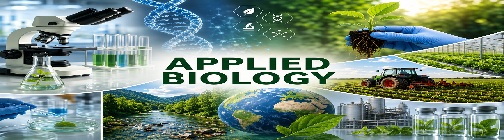
Applied biology is the branch of biology that deals with the practical use of biological knowledge to solve real-world problems. It applies the principles of biology in different fields such as agriculture, medicine, healthcare, biotechnology, environmental conservation, and industry to improve human life and protect the environment. In simple words, applied biology is the use of biological science for practical purposes. While pure biology focuses mainly on studying living organisms and understanding their structure and functions, applied biology uses this knowledge to develop useful products, improve technologies, increase food production, control diseases, and solve environmental problems.
Applied biology includes several branches of biological science, such as microbiology, genetics, botany, zoology, ecology, and biotechnology. These branches work together to find practical solutions that benefit society. For example, applied biology helps in developing vaccines and medicines, improving crop varieties, producing biofertilizers, conserving biodiversity, and using microorganisms in industries. Thus, applied biology connects scientific knowledge with everyday life and plays an important role in human welfare and sustainable development.
Scope of Applied Biology:
Applied biology has a wide scope because it applies biological knowledge to many practical areas of life. It helps solve problems related to health, agriculture, environment, industry, and technology. By combining different branches of biology, applied biology contributes to human welfare and sustainable development.
- Agriculture: One of the major areas of applied biology is agriculture. It helps improve crop production by developing high-yield and disease-resistant varieties of plants. Techniques such as plant breeding, tissue culture, biofertilizers, and biopesticides are used to increase agricultural productivity and promote sustainable farming practices.
- Medicine and Healthcare: In the field of medicine and healthcare, applied biology plays an important role in preventing, diagnosing, and treating diseases. It supports the development of vaccines, antibiotics, medicines, and advanced medical technologies. Knowledge of genetics, microbiology, and biotechnology has greatly improved healthcare and human well-being.
- Biotechnology: Applied biology is also widely used in biotechnology and genetic engineering. Scientists use living organisms and biological processes to produce useful products such as insulin, enzymes, vaccines, and genetically modified crops. Modern biological techniques have opened new possibilities in medicine, agriculture, and industry.
- Environmental Conservation: Another important area is environmental conservation. Applied biology helps in controlling pollution, managing waste, conserving biodiversity, and restoring damaged ecosystems. It also helps scientists understand environmental changes and develop methods to protect natural resources.
- Industrial Biological Processes: In industries, microorganisms and biological processes are used in the production of food, medicines, dairy products, alcohol, and biofuels. Applied biology has made industrial processes more efficient and environmentally friendly.
- Animal Husbandry: The field also contributes to animal husbandry, fisheries, forestry, forensic science, and public health. It helps improve livestock breeding, fish farming, forest management, disease control, and even crime investigation through DNA analysis.
Overall, the scope of applied biology is continuously growing with advancements in science and technology. It has become an essential field that connects biological knowledge with practical applications for the benefit of society.
History and Development:
The history and development of applied biology show how humans have used biological knowledge to solve practical problems and improve life over time. Even in ancient times, people applied biological principles in farming, medicine, animal domestication, and food preservation, although they did not formally recognize it as a scientific field.
Early civilizations such as those in Egypt, India, China, and Mesopotamia practiced agriculture, cultivated useful plants, and bred animals for food and work. They also used medicinal plants to treat illnesses and developed methods of fermentation to make products like bread, curd, cheese, and alcoholic drinks. These early practices became the foundation of applied biology.
The scientific study of biology began to grow in ancient Greece with scholars like Aristotle and Theophrastus, who carefully studied plants and animals. However, applied biology developed more rapidly after the invention of the microscope in the seventeenth century. Scientists such as Robert Hooke and Antonie van Leeuwenhoek discovered cells and microorganisms, which opened new directions in biological research.
In the nineteenth century, several important discoveries greatly influenced the growth of applied biology. Louis Pasteur showed that microorganisms were responsible for fermentation and many diseases, leading to important developments in medicine and food preservation. Around the same time, Gregor Mendel discovered the basic principles of heredity through his experiments on pea plants, laying the foundation of genetics and modern plant breeding.
During the twentieth century, applied biology expanded rapidly with advances in genetics, microbiology, medicine, and biotechnology. The discovery of antibiotics like penicillin transformed healthcare, while improved crop varieties and modern farming techniques increased food production. Scientists also developed tissue culture, genetic engineering, and recombinant DNA technology, which greatly expanded the practical applications of biology.
Today, applied biology continues to grow with the help of modern technologies such as biotechnology, molecular biology, bioinformatics, and gene editing techniques like CRISPR. These advancements are being used in healthcare, agriculture, environmental conservation, forensic science, and industrial production.
Overall, applied biology has evolved from simple traditional practices to a highly advanced scientific field that plays an important role in solving modern problems and improving human life.
Pure Biology and Applied Biology:
Pure biology and applied biology are closely related branches of biological science. Both deal with the study of living organisms, but they differ mainly in their purpose and application. While pure biology focuses on understanding the basic principles and processes of life, applied biology uses this knowledge to solve practical problems and improve human life.
Pure biology is mainly concerned with gaining scientific knowledge about living organisms, their structure, functions, growth, evolution, and interactions with the environment. It includes subjects such as botany, zoology, microbiology, genetics, and ecology. The primary aim of pure biology is to expand our understanding of the natural world through observation, experimentation, and research.
Applied biology, on the other hand, takes the knowledge obtained from pure biology and uses it in practical fields such as medicine, agriculture, biotechnology, environmental management, and industry. It focuses on developing useful products, technologies, and methods that benefit society.
The relationship between the two fields is very important because applied biology depends heavily on the discoveries and principles of pure biology. Many practical applications are possible only because of earlier scientific research in basic biology. For example, the discovery of genes and DNA through pure biological research later led to important developments in genetic engineering, biotechnology, and modern medicine.
Similarly, studies in microbiology helped scientists understand microorganisms, which eventually resulted in the development of antibiotics, vaccines, and fermentation technologies. Research in plant biology has contributed to crop improvement, tissue culture, and sustainable agricultural practices.
At the same time, applied biology also supports pure biology. Practical problems often inspire scientists to conduct further research and deepen scientific understanding. Advances in technology developed through applied biology, such as microscopes, laboratory techniques, and molecular tools, also help researchers in pure biological studies.
Thus, pure biology and applied biology are interdependent and complement each other. Pure biology provides the theoretical foundation, while applied biology converts that knowledge into practical applications for the benefit of humans and the environment. Together, they contribute to scientific progress and the improvement of society.
Branches of Applied Biology:
- Agricultural Biology: Agricultural biology focuses on improving farming and crop production. It includes developing better crop varieties, improving soil quality, controlling pests, and using natural methods like biofertilizers and biopesticides. This helps increase food production and support farmers.
- Microbial Biology: Microbial biology deals with useful and harmful microorganisms. It is widely used in making foods like curd, bread, and cheese, as well as in producing antibiotics and other industrial products. It also helps in controlling disease-causing microbes.
- Biotechnology: Biotechnology is a modern and fast-growing branch that uses living organisms to create useful products. It includes techniques like genetic engineering, tissue culture, and DNA technology, which are used in medicine, agriculture, and industry.
- Environmental Biology: Environmental biology focuses on protecting nature. It helps in controlling pollution, managing waste, conserving biodiversity, and restoring damaged ecosystems. It also supports efforts to deal with climate change.
- Industrial Biology: Industrial biology uses biological processes in industries to produce useful products like alcohol, enzymes, biofuels, and dairy products. It makes production more efficient and environmentally friendly.
- Animal and Fisheries Biology: Animal and fisheries biology deals with the care and improvement of animals and aquatic life. It supports dairy farming, poultry, fish farming, and livestock management to improve food production.
- Forensic Biology: Forensic biology is used in crime investigation. It helps identify criminals using biological evidence such as DNA, blood, and tissues.
- Public Health Biology: Public health biology focuses on keeping communities healthy by preventing diseases, improving hygiene, and promoting better nutrition.
Thus, applied biology connects science with everyday life. Each branch plays an important role in improving health, food production, environmental protection, and overall quality of life.
Modern Tools and Techniques Used:
Applied biology today uses many modern tools and techniques that help scientists study living organisms more deeply and apply this knowledge in practical ways. These tools have made biological research faster, more accurate, and much more useful in areas like healthcare, agriculture, and environmental protection.
- Microscope: One of the most basic but important tools is the microscope. Different types such as light microscopes, electron microscopes, and fluorescence microscopes allow scientists to see cells, tissues, and microorganisms in great detail that cannot be seen with the naked eye.
- Molecular Biology Techniques: Modern molecular biology techniques are also widely used. Methods like DNA extraction, PCR (polymerase chain reaction), gel electrophoresis, and DNA sequencing help in studying genes, diagnosing diseases, and understanding how living organisms are related.
- Genetic Engineering Tools: Genetic engineering tools allow scientists to change the genetic material of organisms. Techniques such as recombinant DNA technology and CRISPR-Cas9 are used to develop improved crops, produce medicines like insulin, and even explore treatments for genetic disorders.
- Tissue Culture Techniques: Tissue culture techniques are used to grow plant or animal cells in a controlled laboratory environment. This helps in producing large numbers of disease-free plants, conserving rare species, and improving crop production.
- Bioinformatics Tools: Bioinformatics tools use computers to store and analyze biological data. They are especially useful in studying genes, proteins, and entire genomes. These tools also play a major role in drug discovery and medical research.
- Chromatography and Electrophoresis: Other important methods include chromatography and electrophoresis, which are used to separate and study biological molecules like DNA, proteins, and plant pigments. In medicine, tools like X-rays, MRI, CT scans, and ultrasound help doctors diagnose diseases without surgery.
- Bioreactors and Fermentation Techniques: In industries, bioreactors and fermentation techniques are used to produce antibiotics, enzymes, alcohol, and other useful products on a large scale. Techniques like flow cytometry are also used to study and sort cells, especially in cancer and immune research.
Thus, these modern tools have completely changed applied biology. They allow scientists to understand life at a very small (molecular) level and use that knowledge to solve real-world problems in health, farming, industry, and the environment.
Career Opportunities in Applied Biology:
Applied biology offers many career opportunities because it connects biology with real-life uses in health, agriculture, industry, and the environment. As science continues to grow, new job options are also opening up in this field.
- Healthcare Sector: In the healthcare sector, people with applied biology knowledge can work in hospitals, diagnostic labs, and research centres. They may become lab technicians, microbiologists, medical researchers, or genetic counsellors. This field also plays an important role in studying diseases and developing vaccines and medicines.
- Biotechnology: The field of biotechnology offers exciting careers in companies and research labs. Professionals work on developing medicines, vaccines, genetically modified crops, enzymes, and other useful biological products that improve human life.
- Agriculture: In agriculture, applied biology is used to improve crop production and farming methods. Careers include agricultural scientists, plant breeders, horticulturists, and soil experts who help increase food production and support sustainable farming.
- Environmental Sector: The environmental sector also provides many opportunities. People work in pollution control, wildlife protection, waste management, and ecosystem conservation. Jobs like environmental consultants and ecologists focus on protecting nature and balancing development with sustainability.
- Food and Dairy Industry: In the food and dairy industry, applied biology is used in food processing, quality control, and fermentation. Professionals ensure that food products are safe, nutritious, and properly produced.
- Industry: The industrial field uses biological processes to produce items like biofuels, enzymes, antibiotics, and organic chemicals in an eco-friendly way.
- Criminal Investigation: Applied biology is also important in forensic science, where experts use DNA and other biological evidence to help solve crimes and support legal investigations.
- Education: There are also careers in teaching and research, where people work in colleges, universities, and laboratories, helping to discover new knowledge and train future scientists.
- Bioinformatics and Genetic Engineering: New areas like bioinformatics, genetic engineering, and molecular biology are also creating modern career paths involving advanced research and technology.
Thus, applied biology offers a wide range of meaningful and interesting careers that help improve health, food production, environmental protection, and everyday life.
Challenges and Ethical Issues in Applied Biology:
Applied biology has helped solve many real-world problems, but it also brings some challenges and ethical concerns that need to be handled carefully. As science becomes more advanced, it is important to make sure that its use remains safe, responsible, and respectful to life and nature.
- One major concern is related to genetic engineering. Technologies like gene editing can improve crops and help treat diseases, but they also raise questions about how far we should go in changing the natural genetic makeup of living organisms, especially in humans.
- There are also environmental risks to consider. Genetically modified organisms (GMOs) or lab-developed microbes may sometimes affect natural ecosystems if they are not properly controlled, which can disturb biodiversity and ecological balance.
- The use of animals in scientific research is another sensitive issue. Animals are often used for experiments in biology and medicine, which raises concerns about their welfare. Because of this, scientists are encouraged to follow strict ethical rules and reduce animal suffering as much as possible.
- In medical and genetic research, topics like cloning, stem cell research, and gene therapy also raise moral questions about human dignity, safety, and the limits of scientific interference in natural life processes.
- Another growing concern is the misuse of biological knowledge. While biotechnology has many benefits, it could also be misused if not properly regulated, leading to harmful or unethical applications.
- With the rise of genetic testing, privacy of genetic information has also become important. People’s genetic data must be protected to prevent misuse or discrimination.
- Environmental issues like pollution, deforestation, and climate change also highlight the need to use biological knowledge responsibly to protect nature rather than harm it.
Thus, applied biology is extremely useful, but it must always be used with care, responsibility, and respect for both living beings and the environment.
Conclusion:
In conclusion, applied biology is an important field of science that brings biological knowledge into everyday use. It helps improve human health, increase food production, support industries, and protect the environment.
From making medicines and vaccines to improving crops and managing natural resources, applied biology is closely connected to many aspects of daily life. It provides practical solutions to real-world problems and helps improve the overall quality of life.
With new developments in biotechnology, genetics, and modern research tools, the scope of applied biology continues to grow. At the same time, it reminds us that science should always be used carefully and responsibly, keeping ethical values in mind.
Overall, applied biology is a growing and useful field that links science with society and plays an important role in creating a healthier and more sustainable future.